Why Out of Home Advertising is Essential to your Marketing Strategy
 By Waltz Staff
TL;DR: Out of home advertising remains a powerful, strategic channel that strengthens visibility, credibility and integrated campaign performance. Discover how OOH advertising works best when grounded in discovery, aligned with messaging frameworks and integrated with digital strategy.
- Why out of home media advertising builds credibility and real-world presence
- How OOH advertising cuts through digital saturation and reinforces campaign momentum
- The role of integrated out of home advertising campaigns in high-stakes launches
- Why OOH campaigns must begin with strategy, not design
- How defining KPIs early ensures measurable impact and long-term brand equity
In a world saturated with screens, scrolling and shrinking attention spans, out of home advertising offers something refreshingly powerful: presence.
While digital channels dominate budget conversations, the most effective marketing strategies don't rely on a single medium. They integrate digital precision with real-world visibility. Out of home media advertising anchors your brand in physical space, reinforcing credibility and expanding reach in ways digital alone cannot.
For B2B and B2C organizations alike, out-of-home advertising campaigns create momentum, amplify launches and build lasting brand recognition. When approached strategically, OOH advertising is more than a billboard, it’s a growth lever.
Out of Home Advertising Builds Credibility Through Visibility
Visibility signals stability. When your brand appears in high-traffic environments, it communicates confidence and scale.
For B2B organizations, this perception matters. Decision-makers evaluating vendors or partners are influenced by perception as much as proof points. Seeing your brand at industry events, on transit placements near financial districts or in airport terminals reinforces authority.
Out-of-home media advertising does not replace digital strategy; it strengthens it. A prospect who later encounters your LinkedIn content or website is more likely to recognize and trust your organization because they have already seen your brand in the real world.
That reinforcement builds familiarity, and familiarity builds trust.
OOH Advertising Cuts Through Digital Saturation
Digital channels are measurable and efficient, but they're also crowded. Algorithms shift, costs fluctuate and audiences tune out.
OOH advertising operates differently. A strategically placed OOH ad captures attention in moments when audiences aren't actively scrolling or filtering. Commuters, conference attendees and urban professionals encounter your message in context, without competing browser tabs.
For organizations launching a new product, announcing a merger or entering a new geographic market, OOH advertising adds impact. It signals that the moment matters.
When integrated with digital retargeting and campaign messaging, out-of-home advertising campaigns create a surround-sound effect. The audience sees your message on the street, then again online, then again in their inbox. Each touchpoint reinforces the last.
It Supports High-Stakes Moments
Certain business moments require more than a social post.
Product launches, trade show activations, fundraising initiatives and recruitment drives benefit from physical visibility. OOH advertising helps you own the moment.
Take a technology company exhibiting at a national conference. Strategic out of home media advertising near the convention center, airport or surrounding hotels increases awareness before attendees even step into the event. Environmental graphics and transit placements amplify booth traffic and strengthen recall.
For B2B brands, this kind of coordination is especially powerful. Sales cycles are long, competition is strong and visibility matters.
When OOH advertising is aligned with campaign identity, messaging hierarchy and launch strategy, it becomes an extension of your broader marketing strategy rather than a standalone tactic.
OOH Advertising Strengthens Integrated Campaigns
Out of home advertising works best when it’s part of a larger strategic framework.
Before creative development begins, strong campaigns start with discovery and strategy. Stakeholder interviews clarify objectives. Audience research identifies where target audiences live, work and travel. Competitive analysis reveals white space. Measurement frameworks define success.
Only then does ideation translate strategy into a campaign identity that extends across digital, print and physical environments.
In this context, an OOH ad isn't just a design. It’s a touchpoint within a coordinated out of home advertising campaign.
For example:
- A healthcare organization launching a new service line may use billboard placements to build regional awareness.
- A financial services firm expanding into a new market may deploy transit advertising to reinforce credibility.
- An educational institution promoting enrollment may align outdoor placements with digital application reminders.
Each activation supports the same value proposition and messaging structure. That integration ensures consistency across channels and maximizes investment.
It Expands Reach Beyond the Algorithm
One of the greatest strengths of out-of-home advertising is its independence from platform algorithms.
Digital channels are essential, but they operate within rented ecosystems. Out of home media advertising gives brands presence in owned physical space for a defined period of time.
This is especially valuable for geographic targeting. If your growth strategy involves entering a new city or strengthening presence in a specific corridor, OOH advertising allows you to concentrate visibility where it matters most.
For B2B companies targeting industry hubs, corporate campuses or innovation districts, OOH placements provide tangible proximity to your audience. It signals commitment to that market.
And when paired with digital geo-targeting, it creates a layered strategy that blends physical and digital precision.
OOH Encourages Simplicity and Clarity
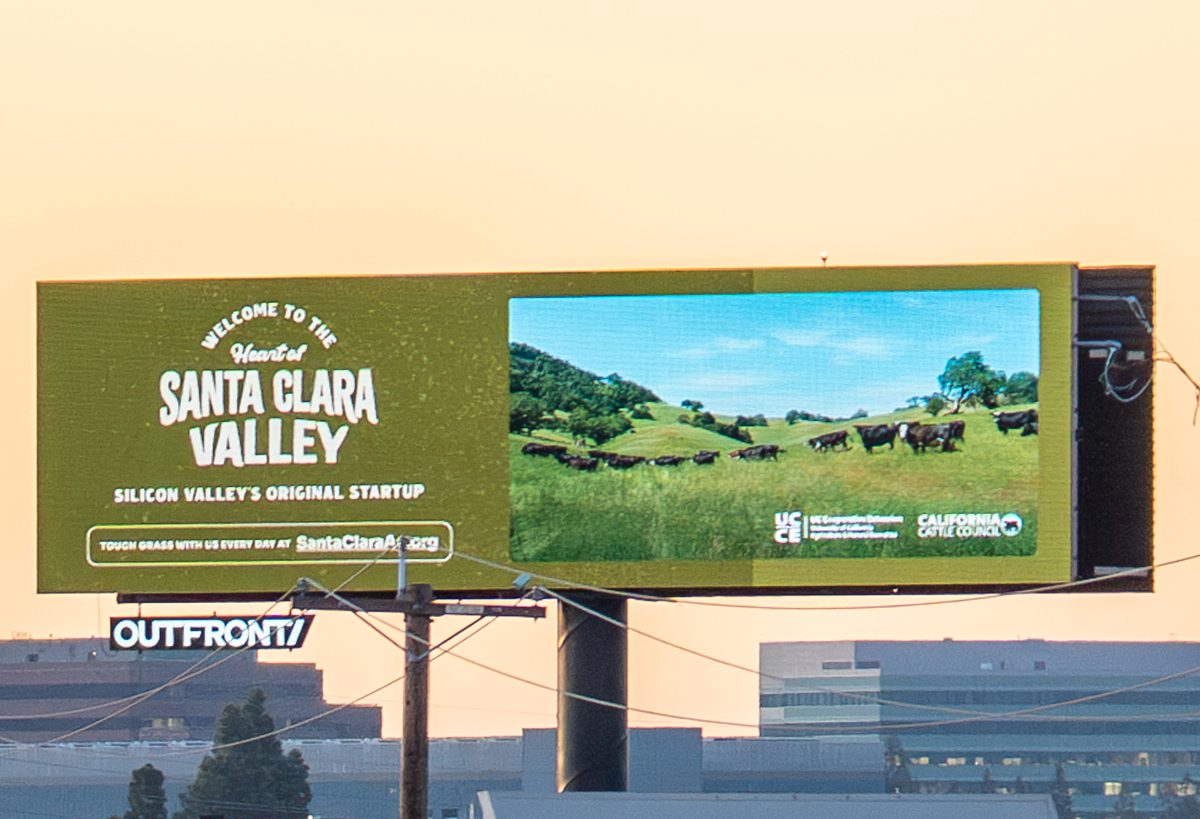
An effective OOH ad has seconds to communicate, and that constraint is an advantage. It forces clarity.
Strong out of home advertising campaigns distill messaging to its core value proposition. Headlines are direct. Visual identity is bold but focused. Calls to action are clear.
This discipline often improves the broader campaign. When messaging works on a billboard, it typically works everywhere else.
By aligning outdoor creative with brand pillars and campaign objectives defined in the strategy phase, organizations ensure their messaging remains sharp and consistent across all touchpoints.
It Drives Measurable Impact When Planned Strategically
OOH advertising has evolved. Today’s out-of-home media advertising includes digital billboards, transit displays, interactive placements and data-informed site selection.
When measurement frameworks are defined early, organizations can track website traffic increases in targeted regions, direct traffic growth during campaign windows, lift in branded search volume, event attendance or booth visits, and inquiry or application spikes tied to geographic placement. Measurement must be built into the strategy phase, not added after launch. When OOH advertising is aligned with clear objectives and KPIs, it contributes meaningfully to business growth.
It Signals Confidence
Ultimately, out of home advertising communicates scale.
For emerging brands, it signals ambition. For established organizations, it reinforces leadership. For B2B firms competing in complex industries, it demonstrates presence.
When executed within a thoughtful strategy, OOH advertising does more than fill space. It amplifies positioning. It strengthens recall. It supports sales enablement.
Most importantly, it works best when integrated, not isolated.
Bringing It All Together
Out of home advertising remains essential because it puts brands into the real world. It reinforces credibility, supports high-stakes moments and expands reach beyond digital platforms.
The most effective out-of-home advertising campaigns begin with discovery, align with a strategic messaging framework and integrate seamlessly with digital channels. They consider geography, audience behavior and long-term brand equity. They define measurement upfront and execute with clarity.
When approached strategically, OOH advertising isn’t a relic of traditional marketing. It’s a modern growth tool.
And in a marketing landscape where attention is fragmented, physical presence still matters.