
The Impact of a Strong Brand Identity on Customer Loyalty
 By Waltz Staff
TL;DR: A strong brand identity builds long-term customer loyalty by creating clarity, consistency and trust across every interaction. For B2B organizations, strategic B2B branding and cohesive B2B brand design reinforce credibility and strengthen meaningful relationships over time.
Read on to learn:
- Why brand identity extends beyond visuals into positioning and messaging
- How consistency fuels B2B brand loyalty
- The role of authenticity and B2B personal branding in building trust
- How strategic messaging inspires meaningful customer action
- Why brand identity must be developed and stewarded as a long-term asset
A strong brand identity is one of the most powerful tools an organization has for building long-term customer loyalty. Not because it looks polished or wins awards, but because it creates clarity, consistency and confidence over time.
For B2B organizations especially, loyalty is rarely impulsive. It’s earned through repeated, aligned experiences that reinforce trust. When your brand identity reflects who you are, what you value and how you deliver, customers don’t just recognize you, they rely on you, and that reliance builds loyalty.
Brand Identity Is the Foundation, Not the Finish Line
It’s easy to reduce brand identity to visual elements. A logo. A color palette. A typeface system.
But true B2B brand identity goes much deeper.
It begins in discovery. Stakeholder interviews surface shared vision. Audience research clarifies expectations. Competitive analysis reveals differentiation. Strategy then translates those insights into positioning, messaging hierarchy and defined brand pillars.
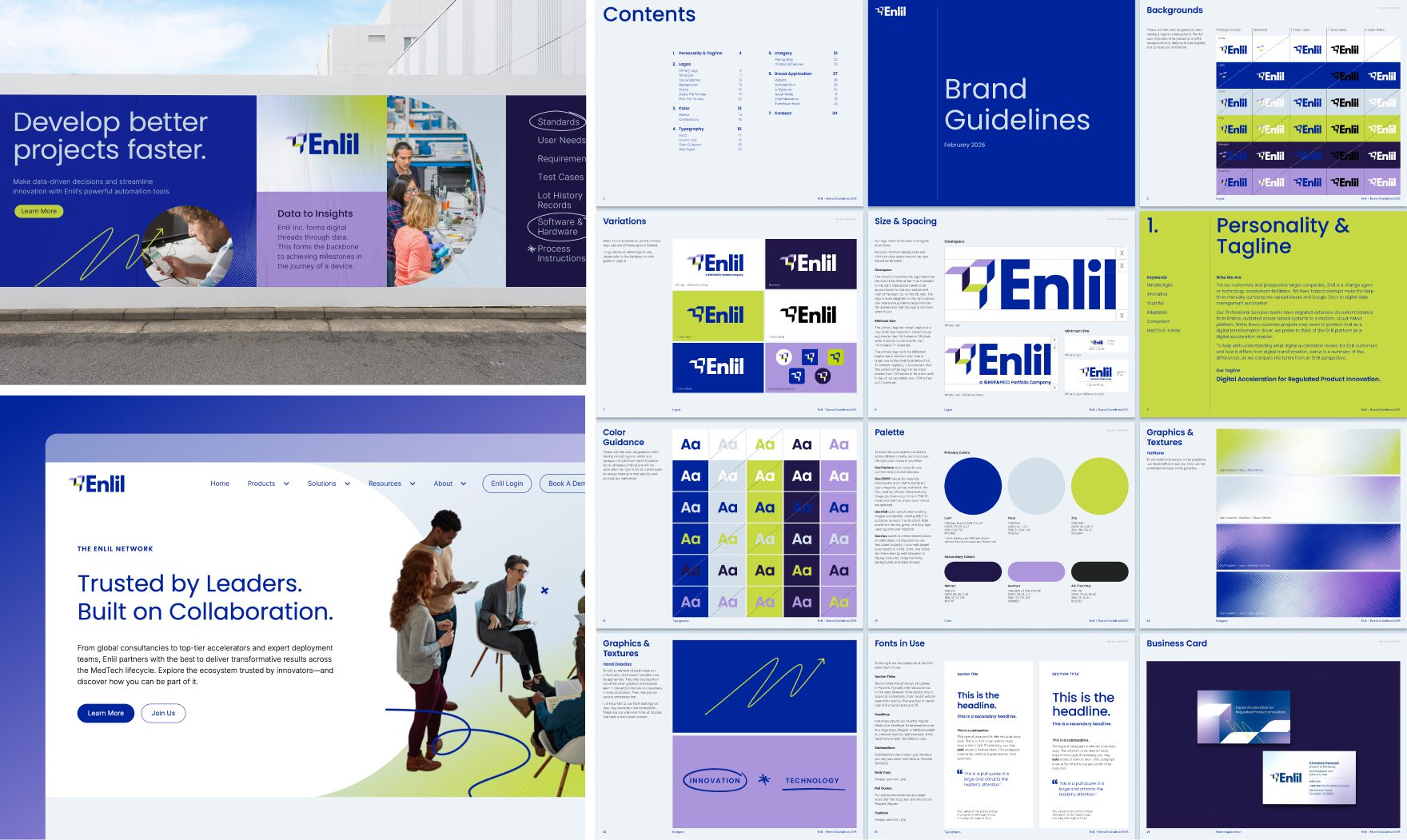
From there, B2B brand design gives form to strategy. Visual systems, tone of voice and communication guidelines ensure your brand shows up consistently across every touchpoint.
When this foundation is clear, your marketing, sales conversations, trade show presence and leadership communications all reinforce the same story.
That alignment is what builds trust.
Trust Is Built Through Consistency
Customer loyalty doesn’t happen in a single moment. It grows across interactions. Each proposal, campaign and conversation builds on the last.
A strong brand identity ensures those experiences feel consistent rather than disconnected. Messaging aligns with visuals. Sales materials echo brand pillars. Leadership presentations reinforce positioning.
Consistency signals reliability, and research shows that consistent brand presentation is directly tied to revenue growth. This builds confidence across all touchpoints.
In B2B branding, where buying decisions involve multiple stakeholders and longer evaluation cycles, consistency becomes even more important. Teams change. Priorities shift. Market conditions evolve. A clear B2B brand identity anchors the organization through that change.
Over time, that steadiness becomes familiarity. And familiarity, when supported by performance, becomes B2B brand loyalty.
Loyalty Is Emotional, Even in B2B
We often speak about B2B decisions as rational and data-driven. They are. But they are also human.
Decision-makers want confidence in their partners. They want alignment in values. They want to feel assured that the organizations they work with are capable and credible.
A strong brand identity communicates those qualities before the first sales conversation.
Visual systems can signal sophistication or innovation. Messaging tone can signal collaboration or authority. Clear brand pillars communicate what you stand for and what customers can expect.
B2B personal branding plays an important role here as well. Leaders and subject matter experts often embody the master brand in public forums. When their voice and presence align with the broader B2B brand identity, credibility deepens.
This alignment strengthens not only awareness but connection. And connection sustains loyalty.
Authenticity Strengthens Credibility
Authenticity in B2B branding must be operational, not aspirational.
A strong brand identity articulates values clearly and demonstrates them consistently. It avoids exaggeration. It resists chasing trends. It reflects the organization as it truly is, while clarifying where it is going.
During the strategy phase, defining what differentiates your organization requires honesty. What do you genuinely do better? Where do you create distinct value? What does your audience care about most?
When brand positioning is rooted in reality rather than aspiration alone, customers feel the difference.
Authenticity reduces friction. It creates alignment between expectation and experience. That alignment reinforces trust, and trust reinforces B2B brand loyalty.
Strategic Messaging Inspires Meaningful Action
Brand identity does more than create recognition. It guides behavior.
When messaging aligns strategically with your positioning, calls to action feel natural rather than forced. Campaigns reinforce existing equity instead of competing with it. Engagement becomes a continuation of your brand story rather than a separate tactic.
This is where thoughtful B2B brand design and messaging frameworks intersect.
A compelling tagline, when grounded in clear positioning, becomes more than a headline. It becomes a shorthand for your promise. A well-defined visual identity ensures that whether a prospect encounters your brand in a proposal, at a conference or in a thought leadership article, the experience feels unified.
Meaningful customer action rarely emerges from isolated tactics. It grows from consistent brand alignment within a coordinated campaign strategy and ideation process.
And when customers take action repeatedly over time, loyalty follows.
Internal Alignment Fuels External Loyalty
Strong brand identity influences both external perception and internal culture. When teams understand the brand pillars and messaging framework, they communicate more effectively: sales reinforces marketing, leadership reinforces strategy, and customer service reinforces tone. That alignment shapes the overall customer experience.
B2B branding becomes especially powerful when it aligns internal belief with external expression. Employees who understand and support the brand identity are better equipped to represent it authentically.
This internal clarity supports long-term consistency. It reduces mixed messages. It ensures the brand feels steady regardless of channel or context.
And that steadiness strengthens customer trust.
Brand Identity as a Long-Term Asset
Marketing tactics evolve, platforms shift and industries change, but brand identity, when built strategically, provides continuity. Organizations that create identity systems rather than one-off designs can adapt without dilution. Campaigns evolve, services expand, markets shift, yet the core identity remains recognizable.
For B2B organizations, where relationships may span years or even decades, this continuity matters. Loyalty depends not only on performance but on confidence that the brand will remain steady and credible over time.
A strong B2B brand identity ensures that evolution feels intentional rather than reactive.
Bringing It All Together
A strong brand identity influences far more than aesthetics. It shapes perception. It clarifies value. It reinforces credibility across every interaction.
For B2B organizations, thoughtful branding, consistent brand design and aligned personal branding create experiences that feel consistent, authentic and trustworthy. When discovery informs strategy, strategy guides creative and execution reinforces alignment, brand identity becomes more than a marketing asset. It becomes a loyalty engine.
At Waltz Creative, we approach brand identity as both a strategic foundation and a long-term commitment. Through collaborative discovery, clear positioning and intentional design systems, we help organizations build identities that hold up under growth, evolution and market change. The goal is never surface-level refresh. It’s durable clarity that strengthens relationships over time.
Because when your brand identity is aligned internally and expressed consistently externally, loyalty follows naturally and compounds over time.